
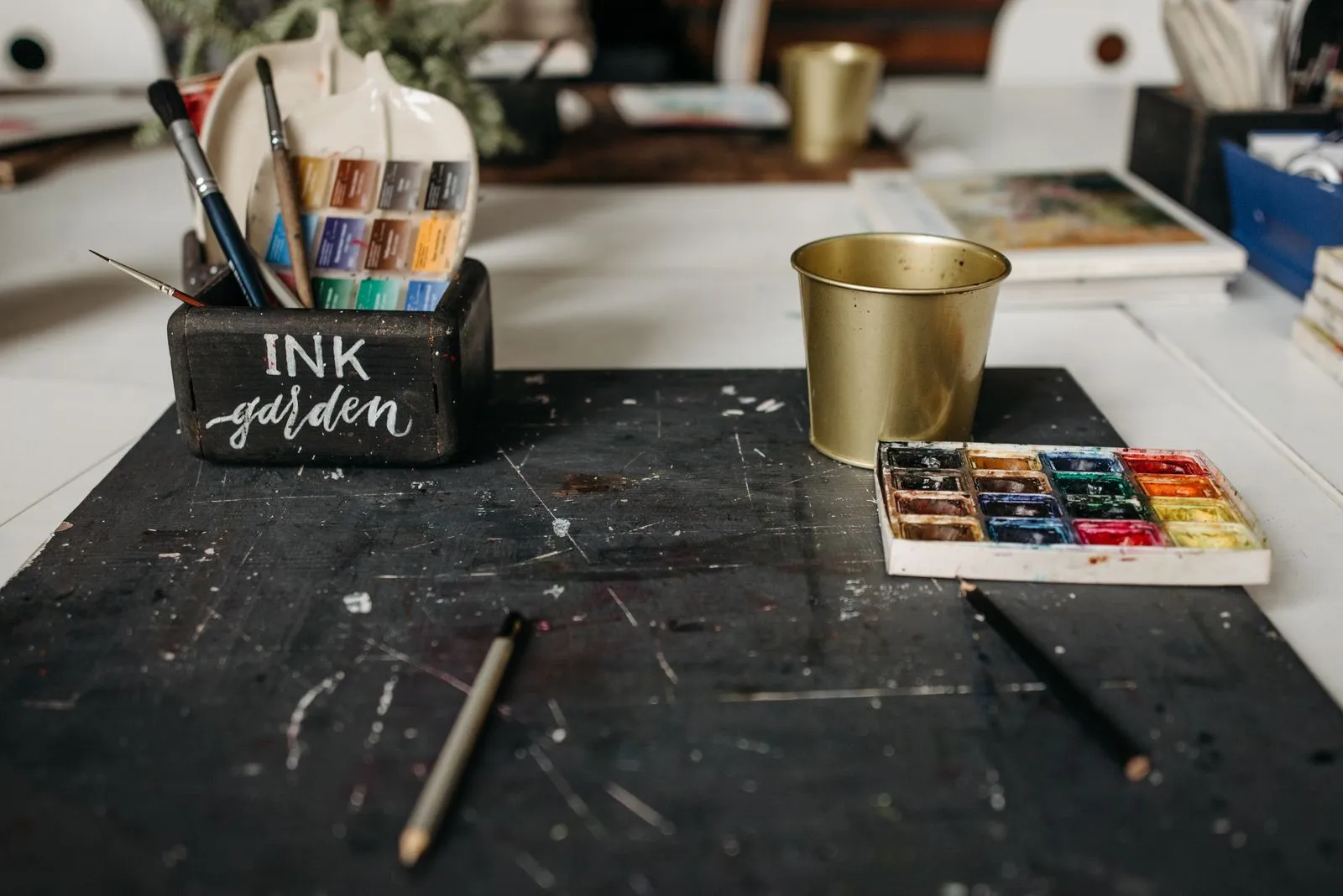
A creative practice doesn’t need a wide-open afternoon or a perfect studio. It needs a place in your real life—even if that place is brief, flexible, and occasionally interrupted. Start by treating creative time as something worth planning, not a reward you earn after every other task is finished. With a few practical choices, you can make room to write, draw, play music, or explore an idea without asking your schedule to magically clear.
Choose a realistic starting point
Begin with the time you actually have, not the schedule you wish you had. Look at a typical week and identify one or two openings that are reasonably predictable: a quiet morning, a lunch break, or a short stretch after dinner. Even 15 minutes can be enough to sketch, draft a few lines, or practice a small skill. A manageable appointment is easier to keep than an ambitious block that regularly gets bumped.
Decide what counts as showing up. You might aim to spend ten minutes on a project three times a week, rather than finish a polished piece every weekend. Keep the goal specific enough to guide you, but flexible enough to survive a busy day. If the planned session falls through, choose a smaller version instead of abandoning the week altogether.
Put creative time on the calendar
Choose a time and give it a clear label, such as “write ideas” or “practice guitar.” A specific plan makes it easier to remember why that time matters. Add a reminder if useful, and consider what you can move, shorten, or decline to protect the appointment. You don’t need to defend every minute; a simple “I’m unavailable then” can be enough.
Build a backup into the plan. If a work call or family need takes over your usual slot, decide in advance when you’ll try again. A second, shorter option—perhaps ten minutes during lunch—keeps one interruption from turning into an all-or-nothing week. When other people share your time or space, let them know what you’re trying to protect and agree on a practical signal for focused time.
Make starting easier
Reduce the number of decisions between you and the activity. Leave your notebook on the table, keep art supplies together, or save your current draft where you can open it quickly. Before ending a session, jot down the next small step: “add a rough chorus,” “choose three reference images,” or “try the blue palette.” That note gives you a clear path back in when you return.
Match the session to your energy. A tired evening may be better for collecting ideas or organizing materials than tackling a complicated task. On a focused day, use the time for deeper work. You can also set a gentle finish line, such as one page, one exercise, or a 20-minute timer. Stopping with a little left to explore can make it easier to begin next time.
Adjust the routine as life changes
Review your routine after a couple of weeks. Ask which sessions happened, what got in the way, and what felt enjoyable enough to repeat. If the time rarely works, move it. If the goal feels too demanding, make it smaller. A routine is a tool, not a test of your commitment; changing the plan is useful when it helps you keep creating.
Expect busy seasons and imperfect streaks. Travel, deadlines, caregiving, and low-energy days can all change what’s possible. Decide on a minimum version for those weeks, such as five minutes of practice or one small idea saved for later. When your schedule opens up again, return to your usual plan without trying to make up every missed session.
Making time for creativity is less about finding a perfect empty day and more about building a small, repeatable opening in the week you already have. Pick a realistic time, make the first step easy, and adjust when life shifts. Start with one short session this week, and let it show you what might work next.